

Chicago winters don’t give warnings — one week it’s 55 degrees, the next there’s ice on the windshield and a furnace that hasn’t run since March. A little preparation now saves you from frozen pipes, drafty rooms, and emergency calls in January. Here are the seven things we tell our clients to check before the first real freeze.
1. Service your heating system before you need it
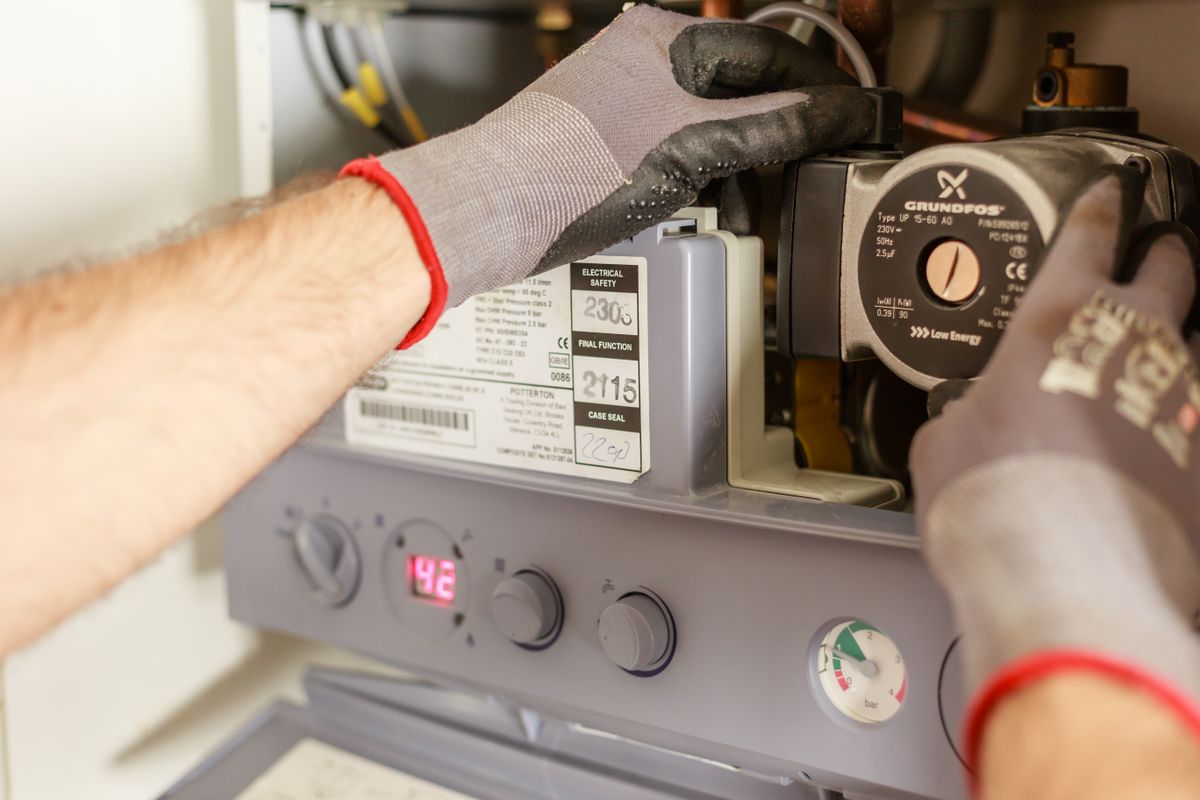
Your furnace or heat pump has been sitting idle for months. Have it serviced now — a cracked heat exchanger, a dirty filter, or a failing igniter is a cheap fix in November and an emergency in January. Change the filter, test the thermostat, and make sure every room is actually getting heat.
2. Seal the drafts around windows and doors
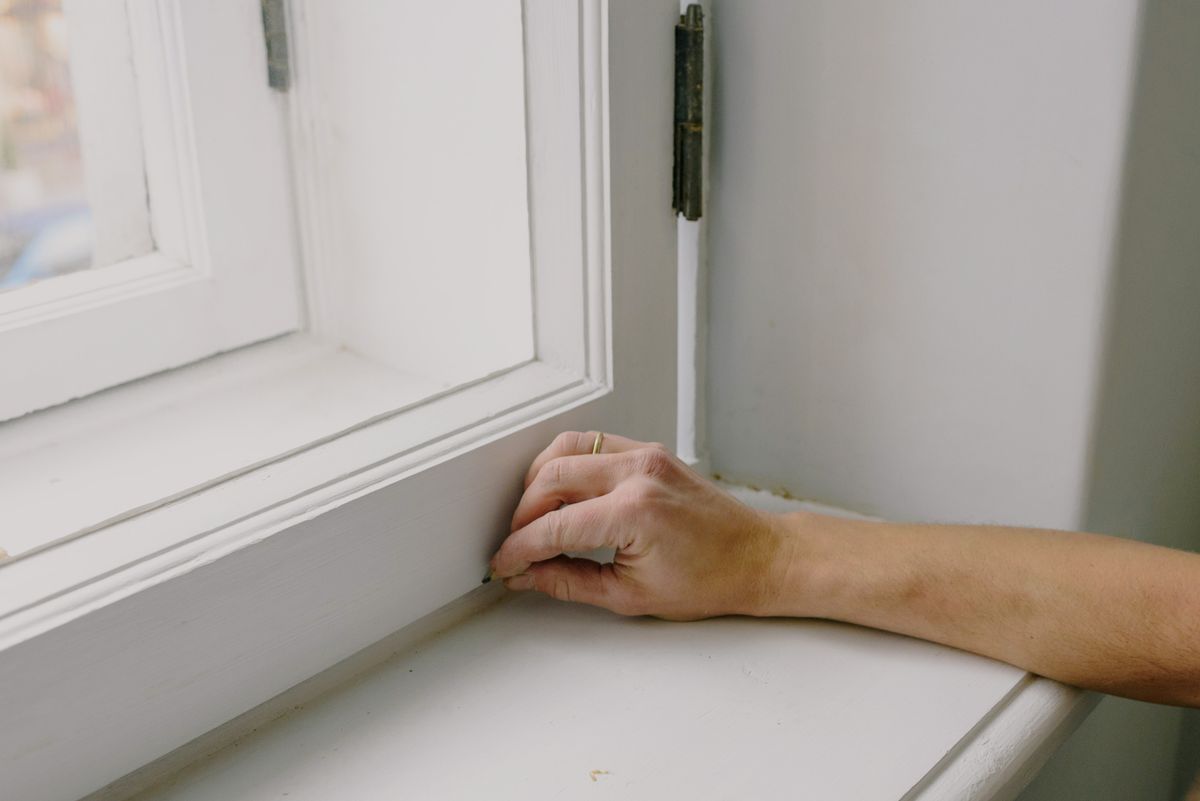
Hold your hand near your windows on a windy day. If you feel cold air coming in, you’re paying to heat the outdoors. Caulk, weatherstripping, and door sweeps are small jobs with a big payoff — and if your windows are old single-pane or the frames are shot, this is the winter to plan a replacement.
3. Protect your pipes from freezing
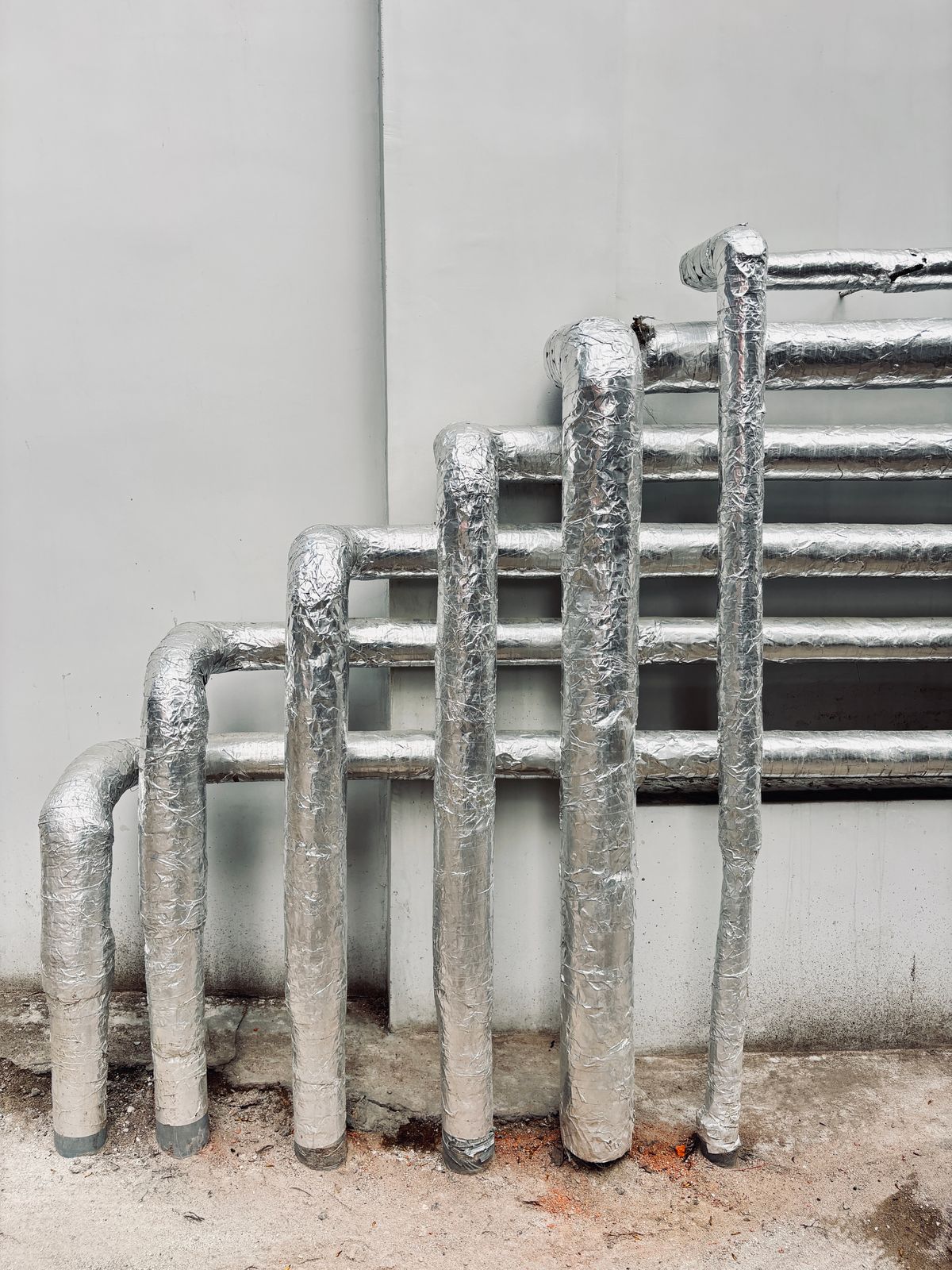
Frozen pipes burst, and burst pipes flood. Insulate exposed pipes in basements, crawl spaces, and garages, disconnect garden hoses, and shut off exterior faucets. If you have pipes on an exterior wall, keep cabinet doors open on the coldest nights so warm air can reach them.
4. Clean the gutters and check the roof
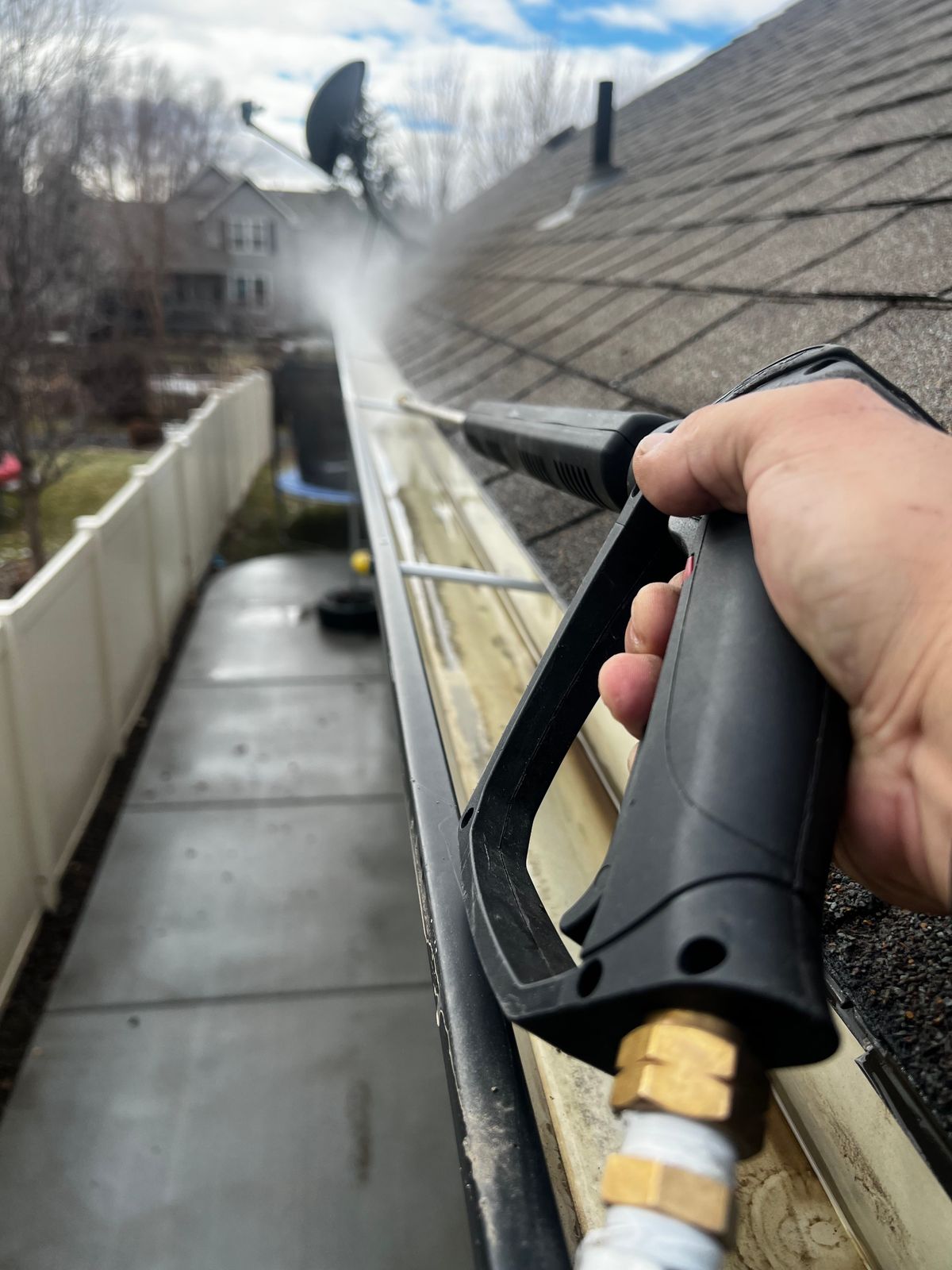
Clogged gutters trap melting snow, which refreezes into ice dams that push water under your shingles and into your walls. Clean the gutters, check the downspouts, and look for missing shingles or worn flashing while you can still safely get up there.
5. Check your insulation — especially the attic and basement
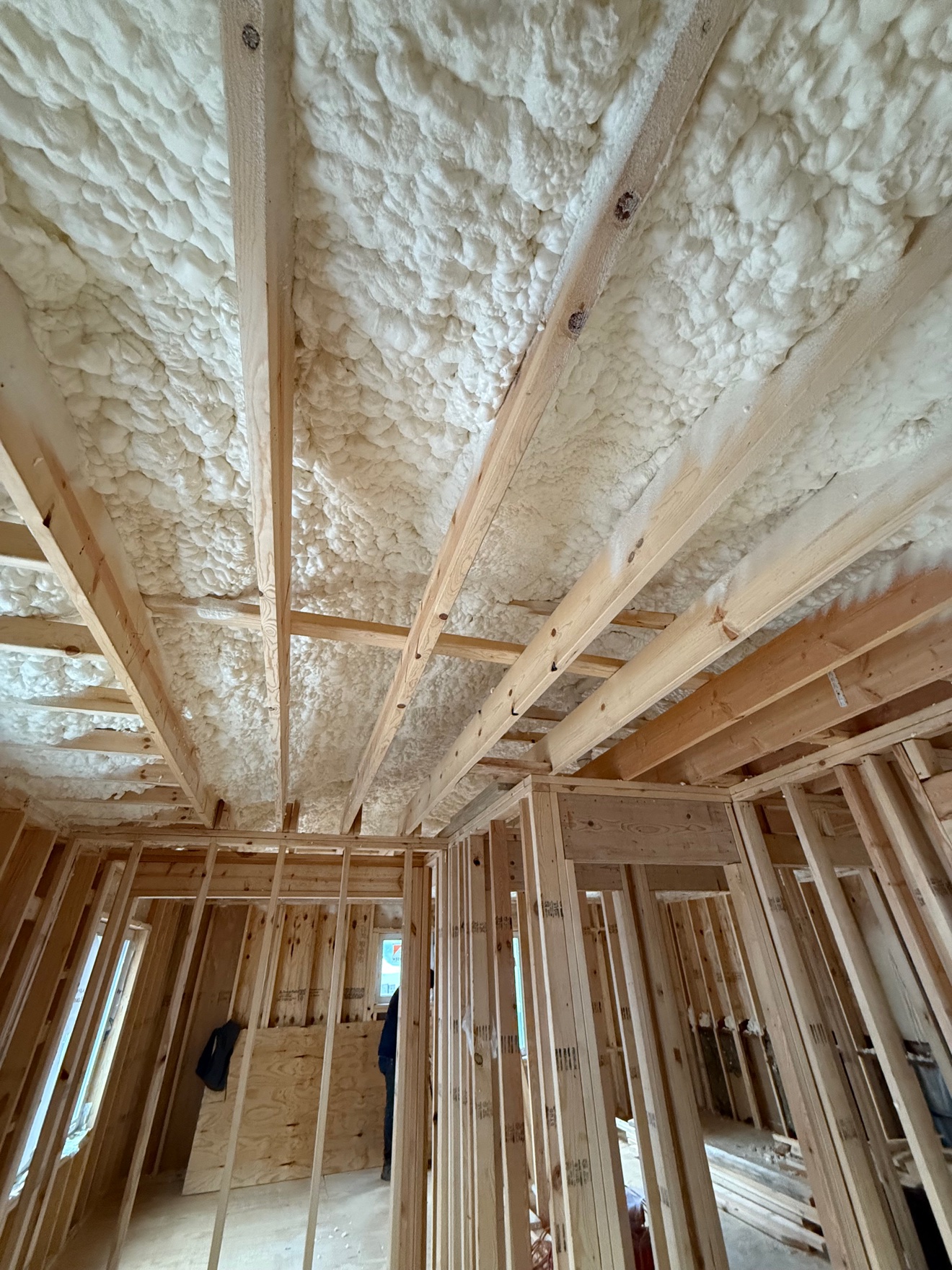
Heat rises, and without enough attic insulation it rises straight out of your house. The basement matters too: cold floors above an uninsulated basement and moisture problems both get worse in winter. If some rooms are always colder than others, insulation is usually the reason.
6. Test your smoke and carbon monoxide detectors

Heating season is carbon monoxide season. Test every detector, replace the batteries, and replace any detector older than ten years. If you have a fireplace, have the chimney inspected and cleaned before the first fire.
7. Give your basement a once-over
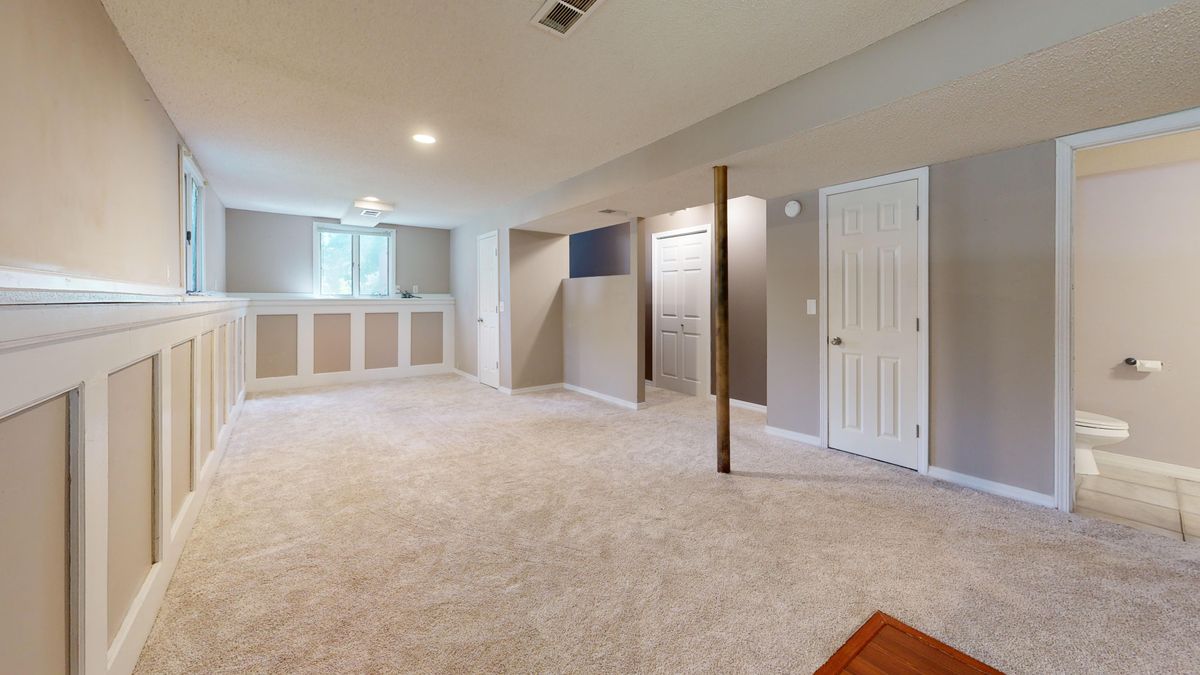
Winter is when basement problems announce themselves — a sump pump that fails during a thaw, a small leak that becomes a puddle, a musty smell that won’t go away. Test the sump pump, check for cracks or damp spots, and deal with waterproofing now rather than after the snow melts.
The bottom line
Most winter damage isn’t bad luck — it’s a small problem that went unchecked. A weekend of preparation, or one walkthrough with a contractor who knows what to look for, can save you thousands and a lot of stress in January and February.
If you’d like us to take a look at your home before winter sets in — windows, insulation, heating, or a basement that needs attention — reach out. Call us at (773) 999-2822 or start your project at luxrenovations.net/become-a-client/.
Leave a Reply